
In the land of smiles, Thailand is known for its rich cultural heritage and deep-rooted traditions. Among these cultural practices, blessings hold a significant place. The act of bestowing blessings has been an essential part of Thai culture for centuries. These blessings, often seen as a way to invoke good fortune and ward off evil spirits, have become an integral part of the Thai people's lives. In this article, we will delve into the power of Thai traditions, specifically focusing on the blessings that bring positivity and prosperity to the lives of many.
The Significance of Blessings in Thai Culture
Cultivating Positivity and Harmony
In Thai culture, blessings serve as a way to invite positive energy and cultivate harmony in various aspects of life. Whether it is a personal milestone, a major event, or even a simple everyday routine, blessings play a crucial role in fostering a positive atmosphere. They are believed to bring good luck, well-being, and protection from negative influences. It is through the act of blessings that Thais seek to maintain harmony and balance within themselves and their surroundings.
Connecting with Ancestors and Deities
Another fundamental aspect of irish blessing wind chimess in Thai culture is the connection they create with ancestors and deities. Thai people deeply respect and honor their ancestors, believing that they play a significant role in their lives. Blessings are seen as a way to honor the ancestry and seek their blessings and guidance. Additionally, blessings are often bestowed in temples and sacred places, connecting individuals to the divine and seeking blessings from the deities. This connection with the spiritual realm is believed to bring forth divine intervention and blessings to the Thai people.
Types of Blessings in Thai Culture
Monk's Blessing (Phra Krueng)
Monk's Blessing, also known as "Phra Krueng" in Thai, is one of the most common and revered types of blessings in Thai culture. This type of blessing usually takes place in temples or during important ceremonies such as weddings, house blessing plaquewarming, or birth celebrations. The presence of a monk during the blessing brings a sense of spirituality and purity to the ceremony. Monks offer prayers, chant sacred verses, and sprinkle holy water on the individuals or objects being blessed. The blessings bestowed by monks are believed to bring peace, prosperity, and protection to those receiving them.
Spirit House Blessing (San Phra Phum)
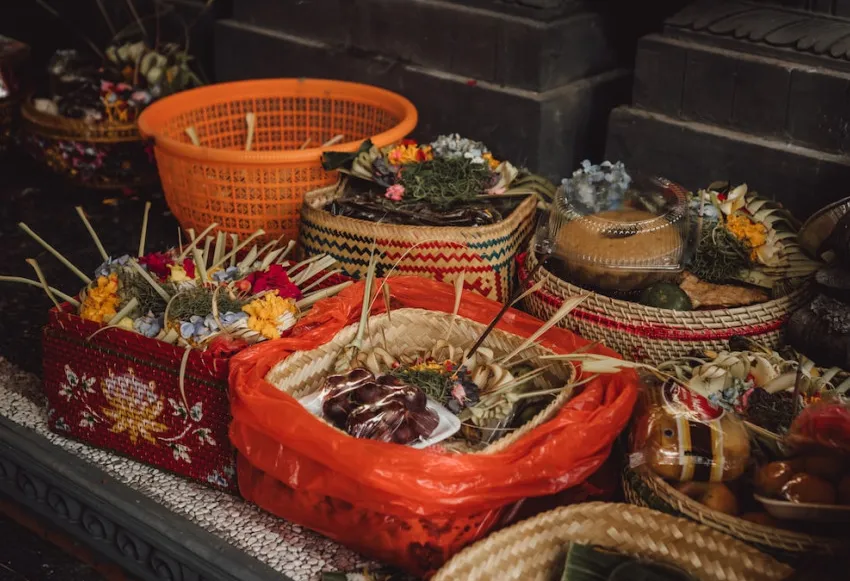
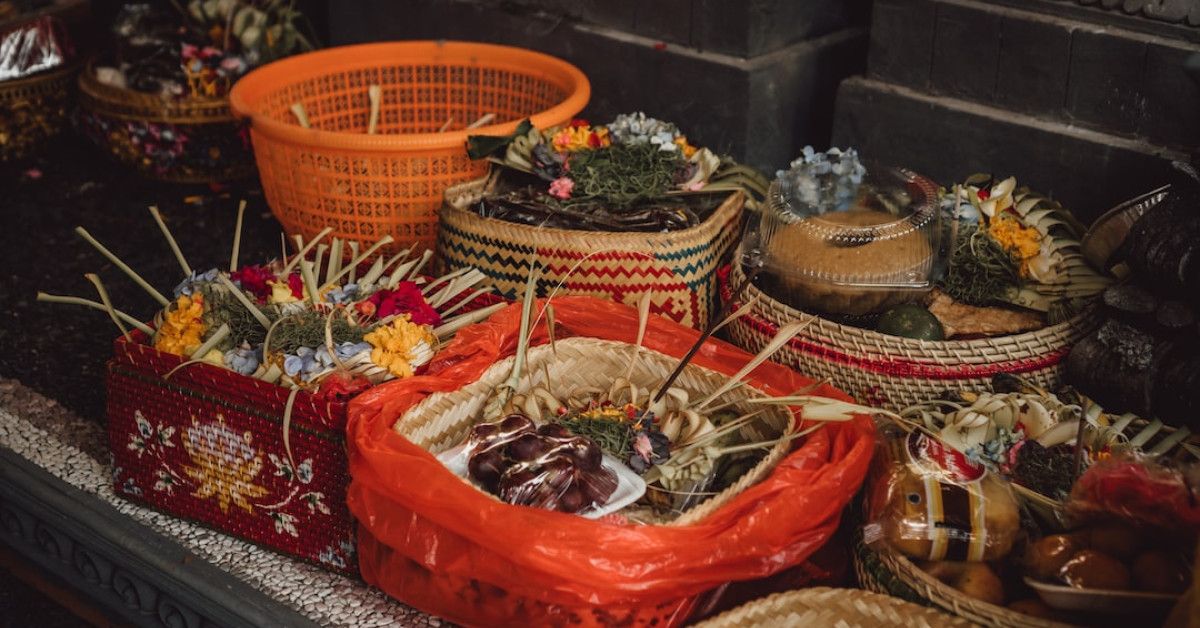
Spirit House Blessing, known as "San Phra Phum," is a unique blessing ritual performed to honor the spirits residing in the spirit houses found in every Thai household and public places. Spirit houses are miniature structures placed outside buildings to provide shelter to the spirits and offer them gifts and prayers. During the blessing ceremony, individuals bring offerings such as flowers, food, incense, and candles to the spirit house. They pray for the spirits' blessings, protection, and guidance in their daily lives. This traditional blessing ritual is a way to show respect to the spirits and seek their favor.
Wrist Binding Ceremony (Rod Nam Sang)
The Wrist Binding Ceremony, also known as "Rod Nam Sang" in Thai, is a beautiful and meaningful blessing ritual commonly practiced during weddings and important events. This ceremony involves the binding of sacred threads or string bracelets around the wrists of the couple or individuals being blessed. The act symbolizes the joining of two souls or the connection between the individual and the divine. The threads are often blessed by monks and are believed to bring good luck, harmony, and a prosperous future to those wearing them.
Water Blessing (Song Nam Phra)
Water Blessing, or "Song Nam Phra" in Thai, is a unique form of blessing that involves the sprinkling of holy or blessed water on individuals or objects. This type of blessing is commonly performed during religious ceremonies, temple visits, and special occasions. The water used for the blessing is usually infused with sacred substances such as flowers, incense, and herbal ingredients. The act of sprinkling water symbolizes purification, renewal, and the cleansing of negative energies. Water blessings are believed to bring good fortune, health, and protection to those receiving them.
Fortune Telling and Blessing (Kan Phra)
Fortune Telling, or "Kan Phra" in Thai, is an intriguing combination of astrology, numerology, and divination, often accompanied by blessings. In this ritual, individuals seek guidance and predictions about their future prospects from fortune tellers or experienced practitioners. The fortune tellers utilize various tools such as palm reading, tarot cards, and astrology charts to interpret the person's fate and offer insights. Along with the fortune-telling aspect, blessings are often given to provide extra spiritual support and offer protection against potential obstacles or negative energies.
The Power and Benefits of Thai Blessings
Invoking Good Fortune and Prosperity
One of the primary purposes of Thai blessings is to invoke good fortune and prosperity in all aspects of life. By seeking the blessings of monks, deities, and ancestral spirits, individuals hope to attract positive energies and favorable outcomes. The act of receiving a blessing is believed to open doors to opportunities, increase chances of success, and bring financial stability. It is a way to navigate through life's challenges and overcome obstacles in the pursuit of happiness and abundance.
Protection from Evil and Negative Influences
Thai blessings also serve as a shield against evil spirits and negative influences. The rituals and prayers performed during the blessings are believed to create a protective barrier around the individuals, safeguarding them from harm and misfortune. Whether it is the water blessing, the tying of sacred threads, or the recitation of sacred verses, these actions are seen as a form of spiritual armor that wards off evil spirits, black magic, and negative energies.
Spiritual and Emotional Healing
Blessings in Thai culture also hold the power to provide spiritual and emotional healing. The act of seeking blessings and connecting with the divine can bring solace and comfort to individuals who may be going through challenging times. The presence of monks, the recitation of sacred verses, and the offering of prayers provide a sense of peace, tranquility, and guidance. In times of sorrow, illness, or emotional distress, blessings can offer a source of strength, hope, and inner peace.
Conclusion
Thai traditions and blessings are deeply rooted in the cultural fabric of the country. They serve as a way to connect with the spiritual realm, invoke positivity, and seek divine intervention. Thai people believe that blessings bring forth good fortune, protection, and harmony in their lives. Through various types of blessings such as monk's blessings, spirit house blessings, wrist binding ceremonies, water blessings, and fortune telling rituals, individuals and communities strengthen their connection with the divine and invite blessings to guide their path. Embracing the power of Thai traditions and blessings can be a transformative experience that enriches one's life and unveils the hidden potential of positivity and prosperity. So, open your heart to the blessings in disguise and embrace the power of Thai traditions.